
Nationalization under Bhutto
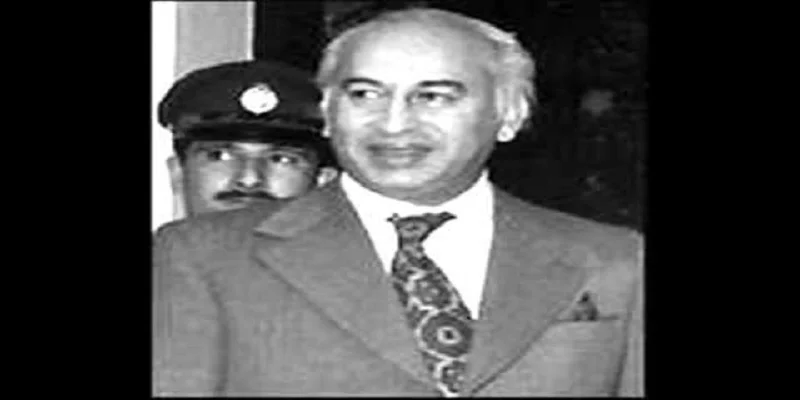
Nationalization under Prime Minister Zulfikar Ali Bhutto in the 1970s was one of the most transformative periods in Pakistan's economic history, significantly shaping the country's trajectory for decades. When Bhutto assumed office in December 1971, Pakistan was reeling from the aftermath of the 1971 war, political upheaval, and economic uncertainty. The nation faced deep socio-economic inequalities, with wealth concentrated in the hands of a few industrialists and a large portion of the population living in poverty. Bhutto, with his vision of a socialist-oriented economy, aimed to use nationalization in Pakistan as a tool to bridge these gaps, promote social welfare, and ensure that economic growth benefited ordinary citizens.
Bhutto’s approach to nationalization in Pakistan was rooted in the idea of social justice and economic redistribution. He believed that the existing capitalist system disproportionately favored a small elite, leaving the majority without access to opportunities or resources. By transferring control of key industries from private to state hands, he sought to create a more equitable economic system. This policy was not limited to a few sectors; it encompassed a broad spectrum of industries that were considered essential for national development. The rationale behind nationalization in Pakistan was also political, as Bhutto wanted to consolidate his support among the working class and present the state as a protector of public interest.
The first significant wave of nationalization in Pakistan took place in the banking sector in January 1972. By bringing all major banks under state control, Bhutto aimed to ensure that financial resources were allocated in a manner that served national priorities, particularly rural development and industrial growth. While the policy was intended to democratize access to credit and financial services, it also created new challenges. State-run banks became heavily bureaucratic, slowing down decision-making and limiting innovation. The professional exodus from the banking sector, as experienced bankers and entrepreneurs left the country, further undermined efficiency. Despite these setbacks, the nationalization of banks reflected Bhutto’s commitment to inclusive growth and his belief in the state’s role as a regulator of the economy.
Following the banking sector, Bhutto’s nationalization in Pakistan expanded to major industries, including steel, chemicals, cement, and insurance. Heavy industries were considered vital for Pakistan’s self-sufficiency and long-term economic independence. By taking control of these sectors, the government aimed to modernize industrial infrastructure, provide better working conditions, and ensure that profits contributed to national development rather than individual wealth accumulation. In theory, state ownership promised a more equitable distribution of resources and the protection of workers’ rights. In practice, however, managing these industries posed significant difficulties. Many enterprises suffered from inefficiencies, political interference, and poor management, which reduced productivity and competitiveness.
The nationalization of educational institutions was another notable aspect of Bhutto’s policies. In 1972, private schools and colleges were brought under state control, reflecting his broader vision of social equality. Bhutto believed that education was a powerful tool for reducing socio-economic disparities and promoting upward mobility. Nationalization in the education sector aimed to standardize quality, expand access for underprivileged communities, and align curricula with national development goals. Yet, this move was controversial, as private institutions resisted state control, and concerns arose regarding bureaucratic inefficiency and declining standards in some areas. Nevertheless, the policy demonstrated Bhutto’s commitment to social welfare as a cornerstone of economic strategy.
The overall impact of Bhutto’s nationalization in Pakistan on the economy was complex and multifaceted. On one hand, nationalization addressed inequalities, strengthened labor rights, and extended state influence over strategic sectors. On the other hand, it introduced inefficiencies, deterred private investment, and triggered capital flight. Entrepreneurs and skilled professionals, fearing expropriation and loss of autonomy, left the country, creating a brain drain that affected industries ranging from finance to manufacturing. Foreign investors, too, were wary of state intervention, which slowed the inflow of external capital essential for industrial expansion and modernization.
In the long term, state-owned enterprises in Pakistan struggled to compete with private businesses due to a lack of accountability, political meddling, and insufficient incentives for innovation. Productivity in nationalized industries often declined, and many sectors became reliant on government subsidies to sustain operations. The intended goals of wealth redistribution and social welfare were partially achieved, but they came at the cost of economic dynamism and competitiveness. Pakistan experienced periods of economic stagnation during and after Bhutto’s tenure, highlighting the challenges of implementing socialist policies in a predominantly market-driven global economy.
Nationalization in Pakistan also had political consequences. The policies polarized society, generating opposition from the business community, industrialists, and political rivals. These tensions contributed to instability and undermined Bhutto’s ability to maintain broad-based support, eventually culminating in his removal from office in a military coup in 1977. Economically, the legacies of nationalization persisted long after Bhutto’s era, influencing subsequent policy debates about privatization, deregulation, and the role of the state in Pakistan’s economic affairs.
Despite the challenges, Bhutto’s nationalization policies left a lasting mark on Pakistan. They underscored the importance of addressing socio-economic disparities and set a precedent for state intervention in strategic sectors. Lessons from this era influenced later reforms and debates about balancing state ownership with private enterprise, promoting equitable growth, and maintaining efficiency in key industries. While critics highlight inefficiencies, stagnation, and the flight of capital, supporters note that nationalization in Pakistan reflected a genuine attempt to prioritize social justice and the welfare of ordinary citizens.
The era of Bhutto’s nationalization in Pakistan demonstrates how ambitious economic reforms, even with noble intentions, can have complex and unintended consequences. It also highlights the delicate balance between state control and market forces in shaping national prosperity. Understanding the rationale, implementation, and outcomes of nationalization policies provides valuable insights into Pakistan’s economic history and the enduring debate over socialism versus market-driven development. The lessons from Bhutto’s tenure remain relevant today, particularly as Pakistan continues to grapple with inequality, industrial growth, and the state's role in fostering economic development.