
Latest Posts
Neelum Valley
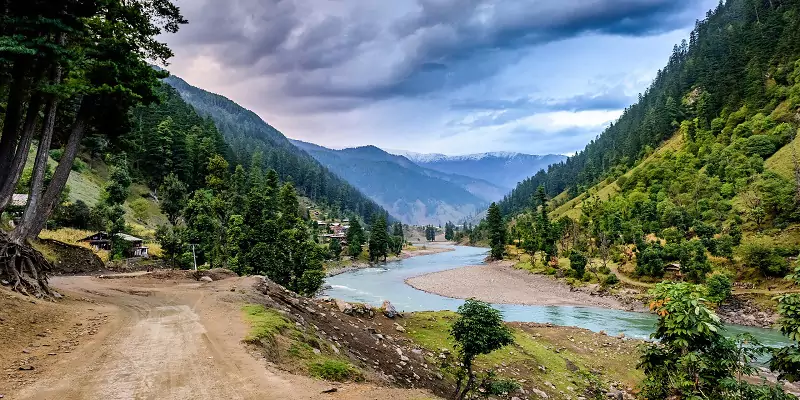
Neelum Valley in Azad Kashmir is often called the “blue gem of Pakistan.” With its crystal-clear river, green meadows, snowcapped mountains, and peaceful villages, the valley is a dream destination for travelers looking for natural beauty, adventure, and calm. This guide covers everything you need to know about visiting Neelum Valley, including top attractions, step-by-step travel tips, and the best hotels.
Where is Neelum Valley?
Neelum Valley is located in Azad Jammu and Kashmir, about 240 kilometers from Islamabad. The valley runs along the Neelum River and stretches for nearly 200 kilometers. Muzaffarabad serves as the main entry point for travelers. The journey itself is scenic, with winding roads, waterfalls, pine forests, and mountain vistas at every turn.
Why Visit Neelum Valley?
The valley is famous for its untouched natural beauty. Unlike other tourist hotspots in Pakistan, Neelum is less crowded, which makes it perfect for travelers who want peace and a connection with nature. The valley offers a different charm in every season: lush greenery in summer, and snow-covered mountains in winter.
Best Time to Visit Neelum Valley
- Summer (May–September): Ideal for tourism with flowing rivers, greenery, and comfortable weather.
- Winter (November–March): Snowfall turns the valley into a winter wonderland, but roads can be challenging.
Top Tourist Attractions in Neelum Valley
1. Keran
Distance from Muzaffarabad: 80 km | Travel Time: 3–4 hours
Keran is a peaceful riverside village surrounded by pine forests and mountains. It also offers views across the Neelum River into Indian-occupied Kashmir.
Step-by-Step Visit:
- Depart Muzaffarabad early morning to enjoy the scenic drive.
- Stop at Shaheed Gali for panoramic photos.
- Check into a guesthouse like Neelum Star River Guest House.
- Walk along the riverbank, relax, and photograph the surroundings.
- Try local trout fish and Kashmiri tea.
Nearby attractions: Views of Indian Kashmir, small hiking trails along the river.
2. Sharda
Distance from Keran: 40 km | Travel Time: 1–1.5 hours
Sharda is famous for the Sharda Peeth ruins, an ancient Hindu temple and historic center of learning.
Step-by-Step Visit:
- Drive through the winding valley roads from Keran, stopping at viewpoints.
- Explore Sharda Peeth ruins and learn about its history.
- Visit Sharda Bazaar for handicrafts, local snacks, and souvenirs.
- Enjoy a riverside picnic along the Neelum River.
- Optional: Take a short trek to nearby hills for panoramic views.
Nearby attractions: Banjosa Lake (on the way), Ratti Gali Lake (requires trekking from Sharda).
3. Kel
Distance from Sharda: 70 km | Travel Time: 2–3 hours
Kel is a small mountain village serving as the gateway to Arang Kel. It’s famous for its wooden houses, terraced fields, and pine forests.
Step-by-Step Visit:
- Travel along narrow, winding roads with scenic forest views.
- Check into a guesthouse like Kel Hill Guest House.
- Explore the village streets and interact with locals.
- Photograph wooden houses, terraced fields, and streams.
- Rest and prepare for the next day’s trip to Arang Kel.
Nearby attractions: Forest trails, Neelum River side trails, small village streams.
4. Arang Kel
Distance from Kel: 4 km (trek or chairlift) | Travel Time: 30–45 minutes
Arang Kel is known as the “pearl of Neelum Valley.” Situated on a hilltop, it offers breathtaking panoramic views.
Step-by-Step Visit:
- Start early from Kel to reach Arang Kel in daylight.
- Optional chairlift from Kel to the base, then trek 30–45 minutes.
- Explore wooden cottages and enjoy a meal with locals.
- Camp overnight for a star-filled night in the mountains.
- Photograph the sunrise over the valley for stunning views.
Nearby attractions: Forest trails, hilltop viewpoints, alpine streams.
5. Taobat
Distance from Arang Kel: 80 km | Travel Time: 3–4 hours
Taobat is the last village of Neelum Valley, located near the Line of Control. It is remote, peaceful, and surrounded by pine forests and rivers.
Step-by-Step Visit:
- Drive along scenic valley roads from Kel or Arang Kel, stopping at viewpoints.
- Check into a guesthouse like Taobat Green Valley Guest House.
- Walk along the Neelum River and explore nearby trails.
- Enjoy homemade Kashmiri bread and trout fish prepared by locals.
- Photograph the untouched landscapes and traditional wooden houses.
Nearby attractions: Pine forest hikes, small rivers, and viewpoints near the Line of Control.
Local Food and Culture
The people of Neelum Valley are warm and hospitable. Noon Chai (Kashmiri tea) and fresh trout fish from the Neelum River are must-tries. Homemade bread, local snacks, and simple Kashmiri dishes provide a taste of authentic valley life. Visitors will enjoy interacting with villagers and experiencing the traditional way of life.
Travel Tips for Neelum Valley
- Book Neelum Valley hotels in advance, especially during peak season (June–August).
- Carry warm clothes, even in summer, as evenings can be chilly.
- Roads are narrow and winding; hire an experienced driver.
- Respect local culture and help keep the valley clean.
- Keep cash handy; ATMs are limited in remote areas.
Best Hotels in Neelum Valley
- Neelum Star River Guest House – Keran
- Valley Trackers Guest House – Sharda
- Green Village Resort – Keran
- Pine Park Lodges – Keran
- Neelum View Hotel – Sharda
- State Continental Hotel – Sharda
- Arang Kel Guest House – Arang Kel
- Kel Hill Guest House – Kel
- Taobat Green Valley Guest House – Taobat
- Neelum Hotel – Muzaffarabad
Neelum Valley is one of Pakistan’s most stunning travel destinations. Whether you’re planning a family holiday, a photography trip, or an adventurous journey, the valley offers unforgettable landscapes, culture, and experiences. From guesthouses in Keran to camping under the stars in Arang Kel, every part of Neelum Valley is worth exploring.
Plan your trip carefully, follow the suggested route, and get ready to experience the crown jewel of Kashmir.