
Nawaz Sharif's First Term
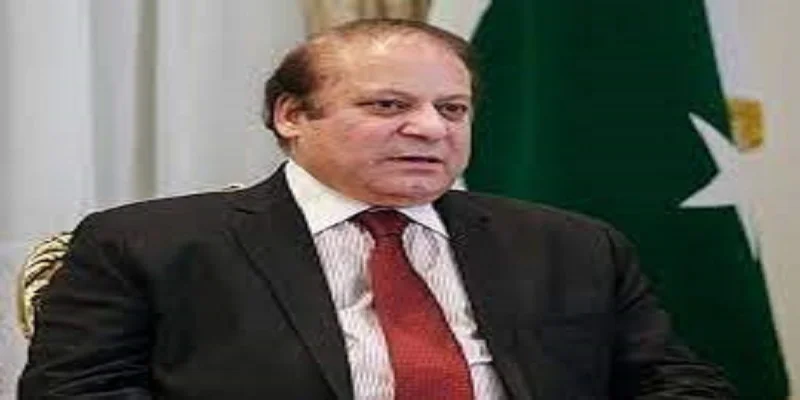
Nawaz Sharif’s first term as the Prime Minister of Pakistan, from 1990 to 1993, remains one of the most talked-about chapters in the country’s political history. It was a period marked by high hopes, dramatic challenges, and intense power struggles that would ultimately shape the course of his future political career. Sharif entered office with strong backing from the establishment and a clear vision to push economic liberalization, but the turbulence of Pakistani politics at the time made it difficult to translate all of his promises into lasting reforms.
When Nawaz Sharif first came to power, he represented a new kind of leader. Coming from a powerful industrial family in Lahore, he brought a business-oriented mindset, rather than the traditional feudal or purely political background of many past leaders. This gave him a reputation as someone focused on development, privatization, and economic growth. Many Pakistanis, tired of political instability and struggling under an economy that needed urgent revival, placed high expectations on his leadership. Sharif quickly began pursuing policies that encouraged the private sector, attempting to reduce state control over industries and open up avenues for investment.
One of the most defining features of Sharif’s first term was his emphasis on privatization. State-owned enterprises that had long been seen as inefficient were targeted for sale to private investors. The idea was to increase efficiency, reduce government expenditure, and stimulate economic growth through private ownership. However, the process was not without criticism. Political opponents accused the government of favoritism, arguing that the beneficiaries of privatization were often Sharif’s allies or influential business families. While the policy did succeed in reshaping parts of the economy, the controversy around transparency created lingering doubts about the true fairness of his reforms.
Beyond economics, Sharif’s first government was also known for ambitious infrastructure development. He initiated projects to enhance roads, communication systems, and power generation, believing that such investments would lay the groundwork for long-term growth and development. His approach resonated with the urban middle class and business community, but it also highlighted the growing divide between rural areas and urban centers. While cities began to see visible signs of progress, much of rural Pakistan continued to lag behind, creating frustration among those who felt left out of his development model.
Nawaz Sharif’s leadership style during his first term was both decisive and controversial. He had a strong belief in centralizing authority and often sought to sideline dissenting voices, whether from within his party, the opposition, or even state institutions. His tense relationship with the presidency is particularly remembered from this time. Ghulam Ishaq Khan, then President of Pakistan, had considerable constitutional powers under the Eighth Amendment, which allowed him to dismiss governments. The constant tug of war between the Prime Minister and the President created instability that overshadowed many of Sharif’s achievements. Their disagreements on policy direction and control over decision-making eventually escalated into a full-blown political crisis.
The political climate of the early 1990s was marked by growing polarization and frequent allegations of corruption. Nawaz Sharif’s government was accused of favoritism and misuse of state resources. The opposition, led by Benazir Bhutto and her Pakistan Peoples Party, continued to pressure his administration through rallies, campaigns, and accusations of authoritarian practices. At the same time, tensions with the judiciary and the military added more fuel to the fire. Each institution seemed locked in its own struggle for dominance, and the Prime Minister often found himself in the middle of power games that weakened his government’s stability.
Another major challenge for Sharif during his first term was navigating Pakistan’s complex foreign relations. The early 1990s were a period of transition in global politics with the end of the Cold War. Pakistan had lost some of its strategic importance to the West after the Soviet withdrawal from Afghanistan. Sharif tried to maintain strong ties with the United States while also focusing on regional dynamics, particularly relations with India and Afghanistan. The Kashmir conflict remained tense, and attempts at dialogue with India produced limited results. His government struggled to balance diplomacy with domestic political pressures, especially from groups that favored a harder stance against India.
By 1993, the clashes between Nawaz Sharif and President Ghulam Ishaq Khan had reached a breaking point. Both leaders accused each other of corruption and mismanagement, and neither was willing to compromise. The political standoff paralyzed governance, prompting the military to intervene as a mediator. Eventually, under pressure from the establishment, both Sharif and the President resigned in what was seen as a compromise solution to prevent further instability. This abrupt end to his first term highlighted the fragility of Pakistan’s democratic institutions and the dominance of power brokers outside the parliamentary system.
Nawaz Sharif’s first term can be seen as a mix of ambition and confrontation. On the one hand, he introduced economic reforms aimed at modernizing Pakistan and shifting it toward a market-driven economy. His focus on infrastructure and development appealed to a significant portion of the population that longed for progress and modernization. On the other hand, his style of governance, marked by centralization of power and confrontations with other state institutions, created an environment of political instability that cut short his tenure.
The legacy of Sharif’s first term lies in the lessons it left behind. It revealed the difficulties of implementing ambitious reforms in a country where politics is deeply entangled with personal rivalries, institutional power struggles, and questions of legitimacy. It also showed the limitations of any Prime Minister who lacks a cooperative relationship with the presidency and the military. For Sharif personally, the experience was both a setback and a preparation. Though his first term ended in resignation, it did not end his political journey. In fact, it set the stage for his later comebacks, where he would again rise to power with a clearer sense of the challenges that come with leading Pakistan.
Nawaz Sharif’s first stint as Prime Minister remains significant not only for what it achieved but also for the way it underscored the complexity of Pakistan’s political system. It was a period when hope for economic progress clashed with the reality of institutional instability. His early years in office demonstrated both the possibilities and the limits of leadership in a country where no government seemed secure for long. While his policies left behind a mixed record, the memory of his first term continues to influence how people judge his later tenures and his overall role in shaping Pakistan’s modern political history.