
Hunza Valley
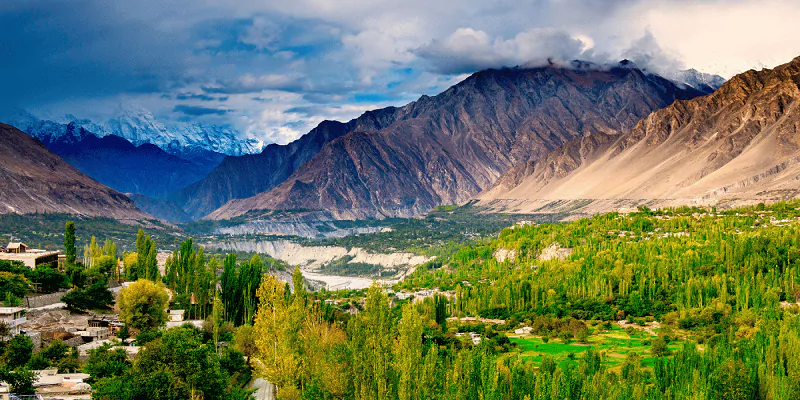
Nestled in Pakistan's northernmost reaches, Hunza Valley dazzles nature lovers, thrill-seekers, and those longing for quietude. Encircled by jagged peaks, emerald valleys, and glacial blue rivers, Hunza has captivated travelers with its profound tranquility and panoramic vistas.
Situated in Gilgit-Baltistan, a land famed for its craggy mountain ranges and vibrant heritage, Hunza boasts dramatic sights—from the formidable Karakoram Range to the gleaming white peaks of Rakaposhi and Ultra Sar. Yet Hunza’s charm extends beyond natural wonders: it is alive with gracious locals, time-honored traditions, and compelling history.
Getting to Hunza Valley
Reaching Hunza is an adventure in itself. The most popular route is via the Karakoram Highway (KKH), which connects Pakistan with China. Known as one of the highest paved international roads in the world, the KKH offers jaw-dropping views of mountains, rivers, and villages along the way.
Travelers can reach Hunza by car or bus from major cities, such as Islamabad, which is approximately 600 kilometers away. For those preferring a more comfortable journey, there are domestic flights to Gilgit Airport, from where it’s a 2-3 hour drive to Hunza. While the journey can be long, the scenery along the way makes every mile worth it.
Best Time to Visit Hunza
Hunza Valley is a year-round destination, but the experience changes with each season.
- Spring (March to May): The valley bursts into color as apricot, cherry, and apple trees bloom. Spring is ideal for photographers and nature enthusiasts.
- Summer (June to August): With warm weather and long sunny days, summer is perfect for trekking, sightseeing, and exploring the outdoors. This is also the peak tourist season.
- Autumn (September to November): The valley transforms into a golden paradise as leaves turn shades of orange, red, and yellow. Autumn is great for peaceful walks and photography.
- Winter (December to February): Snow blankets the valley, creating a magical winter wonderland. While some areas may be less accessible, winter sports lovers can enjoy skiing and snowboarding.
Top Attractions in Hunza Valley
Hunza is packed with natural wonders and historical sites. Here are some must-visit places:
1. Karimabad
The heart of Hunza, Karimabad, is a charming town perched on a hilltop. Its streets are lined with cafes, shops selling local handicrafts, and small guesthouses. From here, visitors enjoy stunning panoramic views of the Hunza mountains.
2. Baltit Fort
Baltit Fort is one of the most iconic landmarks of Hunza Valley. This ancient fort, over 700 years old, showcases Tibetan and Balti architectural styles. Visitors can explore its wooden balconies, stone walls, and a museum displaying Hunza’s history. The fort also provides an incredible view of the Hunza River and surrounding peaks.
3. Altit Fort
Older than Baltit, Altit Fort dates back over 900 years. Recently restored, it gives a glimpse into the life of Hunza’s rulers. The fort’s courtyard, wooden halls, and watchtowers are fascinating for history buffs and photographers alike.
4. Rakaposhi View Point
Rakaposhi, one of the world’s tallest mountains, stands at an impressive 7,788 meters (25,551 feet) above sea level. The Rakaposhi View Point offers a perfect spot to admire the mountain’s grandeur. Sunrise and sunset are particularly breathtaking here.
5. Attabad Lake
Created in 2010 after a massive landslide, Attabad Lake is now a stunning turquoise gem. Surrounded by towering cliffs, it offers boating, jet skiing, and photography opportunities. The lake’s calm waters reflect the surrounding mountains, creating a picture-perfect scene.
6. Passu Cones
The Passu Cones are sharp, needle-like spires that pierce the sky above the valley. The journey along the Karakoram Highway toward Passu reveals a dramatic landscape of braided rivers, ancient glaciers, and dense, rustling forest—arguably one of Pakistan’s most breathtaking routes.
7. Hopper Glacier
For adventure seekers, Hopper Glacier is a must-visit. This massive glacier stretches several kilometers and provides an opportunity for guided trekking and photography. It’s a fascinating experience to see the ice formations up close.
8. Hoper Valley and Ultar Sar
Hoper Valley is known for its lush green fields and beautiful glaciers. Ultar Sar, one of the tallest peaks in the region, adds to the majestic landscape. This area is less crowded, offering a peaceful retreat into the natural world.
Activities to Enjoy in Hunza
Hunza Valley features a variety of engaging activities for travelers:
- Trekking and Hiking: With trails ranging from easy walks to challenging climbs, Hunza is a trekker’s paradise. Popular treks include the Hunza-to-Gulmit route and Baltit to Ultar Base Camp.
- Boating at Attabad Lake: Rent a boat and paddle across the turquoise waters while enjoying the surrounding mountain scenery.
- Cultural Tours: Visit local villages, meet the residents of Hunza, and experience traditional music, dance, and cuisine.
- Photography: With its dramatic landscapes, Hunza is a photographer’s dream. Sunrise and sunset shots of the valley and mountains are unforgettable.
- Fruit Picking: During summer, the orchards are full of apricots, cherries, and apples. Visitors can enjoy fresh fruit straight from the trees.
Hunza Valley Cuisine
Hunza cuisine is simple yet delicious, reflecting the region’s agricultural abundance. Traditional dishes include:
- Chapshuro: A savory meat-filled pastry similar to a flatbread.
- Giyaki: Noodles cooked with meat or vegetables.
- Apricot Dishes: Apricots are a staple in Hunza, where they are used in jams, desserts, and dried snacks.
- Yak Meat and Trout: Locally sourced meats are often prepared with minimal spices to retain natural flavors.
Hunza is also known for its longevity diet. Many locals live well over 100 years, partly due to a diet rich in fresh fruits, nuts, and whole grains.
Accommodation in Hunza Valley
Hunza offers a range of accommodations to suit all budgets—from luxury hotels to cozy guesthouses. Staying in Karimabad is recommended for convenience and views.
Here are some popular hotels in Hunza:
Luxury & Mid-Range Hotels:
- Hunza Serena Inn – Offers panoramic views of the valley with modern amenities.
- Eagle’s Nest Hotel – Famous for its breathtaking sunset views and comfortable rooms.
- Hilltop Hunza Inn – A boutique hotel with traditional decor and excellent service.
- Shangrila Resort Hotel – Offers lakeside views near Attabad Lake.
- Hunza View Hotel – Modern facilities with easy access to local attractions.
Budget-Friendly Stays:
- Guesthouse Hunza – Affordable, cozy, and centrally located.
- Karimabad Backpackers Hostel – Ideal for solo travelers and trekkers.
- Alpine Guest House – Simple rooms with a homey feel and friendly hosts.
- Hunza Eagle Guesthouse – Budget-friendly with stunning valley views.
- Passu Inn – Perfect for travelers exploring northern Hunza and the Passu Peaks.
Tips for Visiting Hunza Valley
- Carry warm clothing, even in summer, as nights can be chilly.
- Respect local customs and traditions. Hunza locals are friendly and welcoming.
- Try local fruits and dishes—they’re fresh and unique to the region.
- Book accommodations in advance, especially during peak tourist season.
- Keep cash handy; while some places accept cards, ATM availability is limited.
Hunza Valley transcends the typical travel destination; it is a living, breathing experience. The powerful convergence of glacier-capped giants, sparkling rivers, storied forts, and warmly hospitable people ensures every visitor leaves with a vivid memory etched in their heart. Whether seeking adrenaline, stunning photographs, or deep calm, Hunza delivers in spectacular style.
Visiting Hunza is like stepping into a storybook where every corner presents a new view, a new experience, and a new memory. For anyone looking to explore Pakistan’s natural beauty and cultural richness, the Hunza Valley is a must-see destination.