
Lal Suhanra
Lal Suhanra National Park in Bahawalpur, Pakistan, stands as a testament to the country's commitment to biodiversity conservation and environmental stewardship. This expansive sanctuary, situated amidst the arid landscape of Southern Punjab, offers a haven for diverse flora and fauna, providing a unique and enriching experience for nature enthusiasts and conservationists alike. This comprehensive description aims to delve into the historical, ecological, and recreational aspects of Lal Suhanra National Park, unraveling the tapestry of its significance and the myriad wonders it harbors.
The roots of Lal Suhanra National Park can be traced back to the early 1970s when the Government of Pakistan recognized the need to establish protected areas for the conservation of wildlife and natural habitats. The park, officially designated in 1972, encompasses an area of over 127,000 acres, making it one of the largest national parks in the country. Named after the nearby Lal Suhanra Desert, the park has since evolved into a vital sanctuary for a plethora of species and a hub for environmental education.
Lal Suhanra National Park is strategically located in the Cholistan Desert, approximately 36 kilometers east of Bahawalpur city. The park's landscape is characterized by sand dunes, scrublands, and thorny vegetation, creating a unique ecosystem adapted to the arid climate of the region. The meandering Bahawalpur Canal, which runs through the park, adds a touch of greenery and serves as a lifeline for both wildlife and vegetation.
One of the park's most compelling features is its rich biodiversity. Lal Suhanra is home to a diverse array of flora, adapted to thrive in the challenging desert conditions. Acacia and Prosopis trees dot the landscape, providing shade and sustenance for the park's inhabitants. The park is also a haven for migratory and resident bird species, with over 150 species recorded, including pelicans, flamingos, and migratory waterfowl.
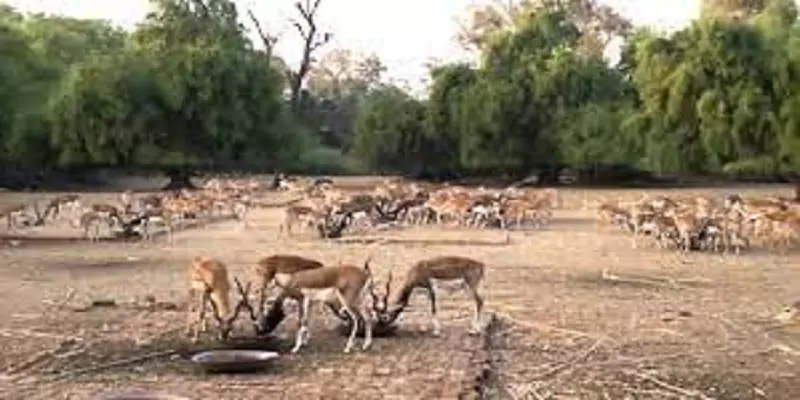
The star attractions of Lal Suhanra, however, are its wildlife inhabitants. The park is home to a significant population of the endangered Chinkara gazelle, along with other mammals such as blackbuck, nilgai, wild boar, and desert foxes. Visitors may also catch glimpses of the elusive caracal and Indian wolf. The park's diverse habitats, from sand dunes to wetlands, create niches for various species, contributing to its ecological significance.
Lal Suhanra National Park is a birdwatcher's paradise. The wetlands within the park, sustained by the Bahawalpur Canal, attract a plethora of bird species, both migratory and resident. The Keenjhar Lake, an artificial lake within the park, serves as a breeding ground for waterfowl. Visitors can witness the mesmerizing sight of flocks of flamingos, pelicans, and herons against the backdrop of the desert landscape.
During the winter months, Lal Suhanra becomes a crucial stopover for migratory birds on the Central Asian Flyway. Rare species such as the Sociable Lapwing and Dalmatian Pelican find refuge here, emphasizing the global importance of Lal Suhanra in avian conservation.
Lal Suhanra National Park serves as a flagship for wildlife conservation in Pakistan. The park actively engages in conservation initiatives to protect and enhance its biodiversity. These efforts include habitat restoration, wildlife monitoring, and community involvement. The park's management collaborates with local communities to promote sustainable practices, ensuring the coexistence of people and wildlife in the delicate desert ecosystem.
Additionally, Lal Suhanra plays a pivotal role in environmental education and awareness. The park offers educational programs, nature trails, and interpretative signage to inform visitors about the significance of biodiversity conservation and the role they can play in preserving natural ecosystems.
Beyond its conservation efforts, Lal Suhanra National Park provides a range of recreational opportunities for visitors. Nature enthusiasts can explore the park through designated trails, allowing them to witness the diverse landscapes and encounter the resident wildlife. The park also offers camel safaris, providing a unique way to traverse the sandy expanses and experience the desert environment.
The Keenjhar Lake within the park is a popular spot for boating, allowing visitors to appreciate the avian diversity from a different perspective. Picnic spots are scattered across the park, inviting families and groups to enjoy a day surrounded by nature.
The Lal Suhanra Safari Park, an extension of the national park, offers a safari experience where visitors can observe wildlife in a more controlled environment. The safari park is home to various species, including lions, tigers, and zebras, providing an opportunity for wildlife enthusiasts to see these majestic animals up close.
Lal Suhanra National Park recognizes the importance of community engagement in conservation efforts. The park collaborates with local communities, involving them in sustainable resource management practices and creating a sense of ownership among the residents. This collaborative approach not only contributes to the well-being of the park's ecosystem but also ensures that the benefits of conservation are shared with the communities living in the vicinity.
To enhance the visitor experience, Lal Suhanra National Park provides a range of facilities. There are designated camping areas for those seeking a more immersive experience in nature. Rest houses and guesthouses are available for overnight stays, allowing visitors to extend their exploration of the park.
Educational programs and guided tours are conducted to provide visitors with insights into the park's ecology, wildlife, and conservation efforts. Interpretative centers showcase exhibits on the flora and fauna of the Cholistan Desert, offering a deeper understanding of the intricate desert ecosystem.
Lal Suhanra National Park in Bahawalpur is a jewel in Pakistan's conservation efforts, offering a sanctuary for diverse flora and fauna within the arid landscape of Southern Punjab. Its historical significance, ecological diversity, and recreational opportunities make it a multifaceted destination for nature enthusiasts, researchers, and families alike. Lal Suhanra stands as a testament to the harmonious coexistence of humans and wildlife, emphasizing the importance of preserving natural habitats for the benefit of current and future generations. As visitors explore the sandy expanses, wetlands, and trails of Lal Suhanra, they embark on a journey through a living desert ecosystem, where the beauty of biodiversity unfolds against the backdrop of the Cholistan Desert.