
Cricket Diplomacy Indo-Pak Relations through Sport
Cricket diplomacy is a powerful tool in international relations, used to either strengthen or weaken diplomatic ties between two nations that share a passion for the sport. The term "cricket diplomacy" refers to the strategic use of cricket matches or events as a means to fill diplomatic voids or enhance relations between countries. Cricket, being one of the most popular sports worldwide, especially in South Asia, plays a significant role in diplomacy. It is the second most widely played sport globally, second only to football, making it an ideal instrument in the realm of sports diplomacy.
Unlike other forms of diplomacy, such as gunboat diplomacy, which involves the use of military force and coercion, cricket diplomacy employs a peaceful and constructive approach. Gunboat diplomacy has often been seen as an aggressive tool where countries threaten or use force to achieve their political objectives. In contrast, cricket diplomacy promotes peace and trust-building through the shared love of the sport.
One of the most prominent examples of cricket diplomacy is the relationship between India and Pakistan. Both nations have a long-standing rivalry, rooted in historical, cultural, and political differences. Despite the tensions, cricket has often been the bridge that brought the two countries together, even if momentarily.
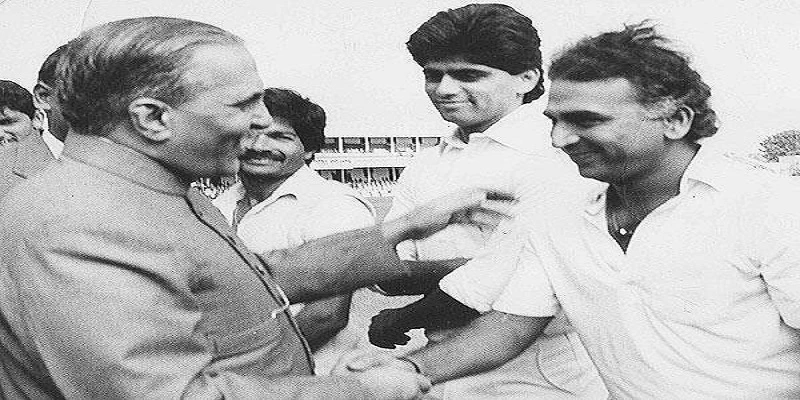
The use of cricket as a diplomatic tool between India and Pakistan dates back to the late 20th century, when cricket played a role in alleviating tensions and fostering communication. In 1987, General Zia-ul-Haq, then-President of Pakistan, visited India to hold talks with Prime Minister Rajiv Gandhi. Instead of focusing solely on political disputes, the two leaders participated in an international Test match between India and Pakistan in Jaipur. This match became more than just a sporting event; it symbolized an effort to reduce mutual distrust and tensions in the region, particularly amidst the backdrop of the Soviet invasion of Afghanistan and the geopolitical pressures in the region.
However, the journey of cricket diplomacy was not always smooth. The 2000 Test match in New Delhi was marred by protests from Hindu radicals, which demonstrated the deep-rooted opposition that existed towards any engagement with Pakistan. Despite these challenges, cricket continued to serve as a diplomatic tool, as leaders on both sides recognized its potential to bridge gaps.
In 2005, following the Kargil conflict and years of heightened tensions, General Pervez Musharraf, President of Pakistan, visited India. During his stay, he attended a cricket match and met with Indian Prime Minister Manmohan Singh. This gesture was intended to facilitate discussions on sensitive issues, such as Kashmir. Musharraf remarked that a shared passion for cricket and Bollywood unites the subcontinent, highlighting cricket's role in nurturing better relations. Another significant event unfolded during the Cricket World Cup, as both India and Pakistan reached the semifinals. The diplomatic significance of this event was immense. Prime Minister Manmohan Singh of India invited Pakistani Prime Minister Yousaf Raza Gilani to watch the match. The invitation was accepted, and Gilani joined Singh for the historic game. The atmosphere was charged with anticipation and excitement, as millions of cricket fans across the two countries watched in unison. This was a rare moment where sport transcended political differences, and leaders from both countries were able to engage in informal dialogue, helping to ease tensions and pave the way for future discussions.
Cricket diplomacy has garnered international attention, particularly from those who observe the relationship between India and Pakistan. Victoria Nuland, a spokesperson for the U.S. State Department, noted that while Americans might not be well-versed in cricket, they still find the rivalry between India and Pakistan fascinating. This international interest highlights the global significance of cricket as a diplomatic tool.
In recent years, the concept of cricket diplomacy has emerged as a well-established strategy for establishing or reestablishing diplomatic relations in South Asia. The 2011 World Cup semifinal meeting between Manmohan Singh and Yousaf Raza Gilani was one of the most recent successful attempts to utilize cricket for diplomatic purposes. These moments remind the world of the unique power of sports in fostering peace and cooperation, even between nations with a history of conflict.
Cricket diplomacy offers several benefits in the realm of international relations. One of the primary advantages is its ability to "break the ice" between leaders. For many years, the political leaders of India and Pakistan remained at odds over issues like Kashmir, nuclear proliferation, and terrorism. However, when they meet at a cricket match, it creates an opportunity for open dialogue in a less formal and more relaxed environment.
Former Pakistani President Pervez Musharraf elaborated on the advantages of cricket diplomacy in his speeches. He emphasized that cricket diplomacy not only provides a chance for leaders to meet but also helps in building mutual respect and understanding. When two cricketing nations come together, it is more likely that they will find common ground, which can lead to discussions on more pressing diplomatic issues. For instance, during the 2005 meeting between Musharraf and Singh, the discussions on Kashmir were seen as a step forward in the ongoing peace talks.
Another benefit of cricket diplomacy is the creation of trust. The shared love for the game and the symbolic nature of playing together on the field fosters camaraderie and break down barriers. It offers an opportunity to engage in constructive dialogue without the heavy weight of political tensions clouding the discussions.
Looking ahead, cricket diplomacy has the potential to play a significant role in shaping the future of Indo-Pak relations. While the road ahead is undoubtedly challenging, cricket remains a tool that can be used to promote peace, foster communication, and build trust. Both countries have experienced the power of sport to unite their populations, and the continued use of cricket diplomacy could provide a path forward for resolving longstanding disputes.
However, it is essential to recognize that cricket diplomacy, while impactful, is not a solution to all the issues between India and Pakistan. Cricket may not resolve the underlying political, economic, and territorial issues between the two countries. Nevertheless, it offers a platform for dialogue, and in many instances, it has helped reduce tensions and open avenues for further negotiations.
Cricket diplomacy is a valuable tool in fostering peaceful relations between nations, particularly in regions with a history of conflict. The use of cricket as a diplomatic instrument contrasts sharply with aggressive tactics, such as gunboat diplomacy, offering a peaceful and constructive way for nations to engage with one another. The use of cricket diplomacy between India and Pakistan exemplifies how sports can help bridge gaps, initiate dialogues, and build trust between adversarial nations. The shared passion for cricket continues to serve as a catalyst for peace and cooperation, demonstrating that even in a world full of political divides, there is always room for dialogue and understanding.
Cricket diplomacy is not just about playing a sport; it is about building lasting connections, opening channels of communication, and uncovering common ground even in challenging circumstances. While it may not instantly resolve all diplomatic issues, its capacity to inspire dialogue and cooperation is unrivaled. The experience of India and Pakistan demonstrates that cricket can serve as a unique bridge, offering hope and momentum toward sustained peace. Ultimately, cricket diplomacy highlights that through shared passions, nations can find new avenues for understanding, reconciliation, and a lasting legacy of peace.