
Muhajirs of Sindh
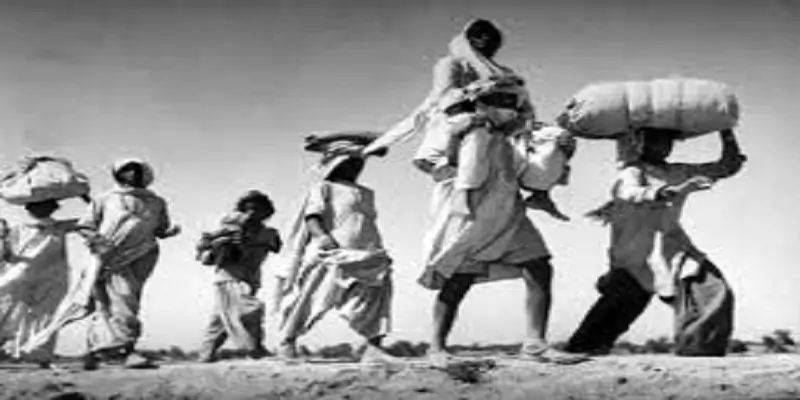
The Muhajirs of Sindh are a distinct community with a rich history and cultural heritage. The term "Muhajir" translates to "migrant" in Arabic, and in the context of Sindh, it refers to the Urdu-speaking migrants who migrated to the region during and after the partition of British India in 1947. This community has played a significant role in shaping the social, economic, and political landscape of Sindh. In this comprehensive exploration, we delve into the historical background, cultural identity, challenges, and contributions of the Muhajirs in Sindh.
The partition of British India in 1947 marked a pivotal moment in South Asian history. As the subcontinent was divided into two independent nations, India and Pakistan, millions of people were displaced along religious lines. Sindh, a province that became part of Pakistan, witnessed a significant influx of migrants, predominantly from the north Indian states of Uttar Pradesh, Bihar, and Delhi. These migrants, primarily Urdu-speaking Muslims, came to be known as Muhajirs.
The Muhajirs migrated to Sindh in search of a new homeland, escaping the communal violence and religious strife that accompanied the partition. Many of them were professionals, businessmen, and intellectuals who contributed to the development of their new home. Over time, the Muhajir community established itself in various urban centers of Sindh, particularly in Karachi, the provincial capital.
The Muhajirs brought with them a rich cultural heritage deeply rooted in the traditions of North India. Urdu, a language with Persian, Arabic, and Turkish influences, became the primary means of communication among the Muhajir community. This linguistic identity served as a unifying force, helping them preserve their cultural distinctiveness in a new environment.
Despite their common linguistic bond, the Muhajirs are a diverse group, representing various ethnic and cultural backgrounds from North India. The diversity within the community is reflected in its cuisine, clothing, music, and traditions. Over the years, the Muhajirs have integrated elements of Sindhi culture, creating a unique blend that defines their identity.
While the Muhajir community has made significant contributions to the development of Sindh, they have also faced challenges that have shaped their collective identity. One such challenge is the issue of political representation and power dynamics. Over time, the Muhajirs have sought a fair share in political processes, but this quest for representation has sometimes led to tensions with other ethnic groups in the region.
Additionally, the Muhajirs have faced issues related to economic disparities, educational opportunities, and social integration. The initial years of migration were marked by economic struggles as many Muhajirs had to rebuild their lives from scratch. While subsequent generations have made strides in education and employment, disparities persist, leading to feelings of marginalization and discontent.
The Muhajir community has played a crucial role in the political landscape of Sindh. The Muttahida Qaumi Movement (MQM), initially formed to address the concerns of the Muhajir community, emerged as a prominent political force in the 1980s. The MQM advocated for the rights of Muhajirs, aiming to ensure their fair representation in government institutions.
However, the political journey of the MQM has been complex, marked by both successes and controversies. The party has faced accusations of using violence for political gains, leading to periods of tension with the state. The evolving political dynamics have further influenced the narrative of the Muhajir community in Sindh.
Despite the challenges, the Muhajir community has made significant contributions to the socio-economic development of Sindh. Many Muhajirs have excelled in various fields, including business, academia, and the arts. Karachi, the economic hub of Pakistan, owes much of its development to the industrious spirit of the Muhajir community.
The Muhajirs have also enriched the cultural tapestry of Sindh by bringing diverse traditions and practices. Their cultural assimilation has led to a vibrant fusion that is evident in the culinary delights, festivals, and everyday life in the urban centers of Sindh.
The Muhajirs of Sindh represent a community with a multifaceted identity shaped by historical migrations, cultural diversity, and political struggles. Their journey from North India to Sindh reflects the resilience and adaptability of a community that has faced challenges while contributing significantly to the development of its adopted homeland. As Sindh continues to evolve, the Muhajirs remain an integral part of the province's social fabric, contributing to its cultural vibrancy and economic growth.