
Kohistan
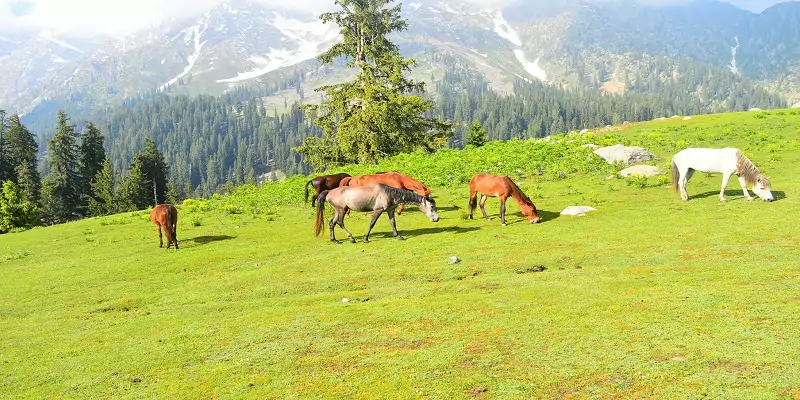
Kohistan, a region of Pakistan that translates to "Land of Mountains," is a captivating and rugged landscape nestled within the expansive folds of the Himalayan and Hindu Kush mountain ranges. This comprehensive exploration will delve into the geography, history, culture, economy, education, landmarks, and the unique characteristics that define Kohistan.
Kohistan is situated in the northern part of Pakistan, extending from the eastern bank of the Indus River to the western edge of the Swat Valley. The region is a mountainous terrain, characterized by steep slopes, deep valleys, and roaring rivers. The majestic mountains, including Nanga Parbat, one of the world's highest peaks, contribute to Kohistan's breathtaking scenery.
The history of Kohistan is deeply intertwined with the ancient civilizations that flourished in the Indian subcontinent. The region has been home to diverse cultures and has seen the passage of various conquerors and traders. Over the centuries, Kohistan has been a crossroads of civilizations, witnessing the influences of the Gandhara civilization, the Mauryan and Gupta empires, and later, the spread of Islam in the region.
Kohistan's culture is a mosaic of diverse ethnicities and traditions. The predominant ethnic group is the Kohistanis, who have retained their unique cultural identity despite external influences. The people of Kohistan are known for their hospitality, traditional music, and colorful festivals that celebrate the changing seasons and harvests. The cultural tapestry is adorned with vibrant clothing, intricate jewelry, and a deep connection to the land.
The economy of Kohistan is primarily agrarian, relying on the fertile valleys for the cultivation of crops such as wheat, maize, and barley. Livestock farming is also a significant component of the economy, with the rugged terrain providing suitable grazing grounds. In recent years, there has been an effort to promote sustainable tourism, as the region's natural beauty attracts adventurers and nature enthusiasts.
Education in Kohistan has seen improvements over the years, with a focus on increasing literacy rates and providing access to quality education. Schools and colleges cater to the educational needs of the local population. However, the mountainous terrain presents challenges in ensuring widespread access to educational facilities, and ongoing efforts are directed towards addressing these issues.
Landmarks and Attractions:
1. Nanga Parbat:
Known as the "Killer Mountain," Nanga Parbat is one of the world's highest peaks and a magnet for mountaineers. Its snow-covered slopes and challenging climbs make it an iconic landmark in Kohistan.
2. Shounter Lake:
Nestled in the Shounter Valley, Shounter Lake is a crystal-clear alpine lake surrounded by snow-capped peaks. The journey to the lake is an adventure in itself, with breathtaking landscapes at every turn.
3. Jalkhad:
A serene valley known for its lush greenery and meandering streams, Jalkhad offers a tranquil escape from the hustle and bustle of urban life. It is a favorite spot for nature lovers and picnickers.
4. Karakoram Highway:
The Karakoram Highway, one of the highest paved international roads globally, passes through Kohistan, offering awe-inspiring views of the mountains and connecting Pakistan to China.
Tourism:
While Kohistan may not be as widely recognized as some other tourist destinations, it holds immense potential for those seeking an off-the-beaten-path adventure. The pristine landscapes, challenging trekking routes, and the warm hospitality of the locals make Kohistan an appealing destination for nature enthusiasts.
Kohistan experiences a diverse climate due to its varying topography. The valleys enjoy a temperate climate, while the higher altitudes witness colder temperatures. Summers are pleasant, and the winter months bring snowfall to the mountainous regions, creating a winter wonderland.
The challenging terrain of Kohistan presents infrastructure challenges, but efforts have been made to improve connectivity. Roads wind through the mountains, connecting the region to other parts of Pakistan. The development of basic amenities such as healthcare facilities and communication networks is ongoing to enhance the quality of life for residents.
As Kohistan navigates the delicate balance between development and preserving its natural and cultural heritage, the future holds both challenges and opportunities. Sustainable tourism, improved infrastructure, and educational advancements are key components of the region's vision for a prosperous and culturally rich future.
Kohistan, the Land of Mountains, stands as a testament to the raw beauty of nature and the resilience of its people. Its unique blend of culture, history, and natural wonders creates a canvas that beckons explorers and adventurers. As Kohistan continues to unveil its treasures to the world, it remains a jewel in the crown of Pakistan, waiting to be discovered by those who seek the allure of unspoiled landscapes and rich cultural traditions.