
Brahvi Culture
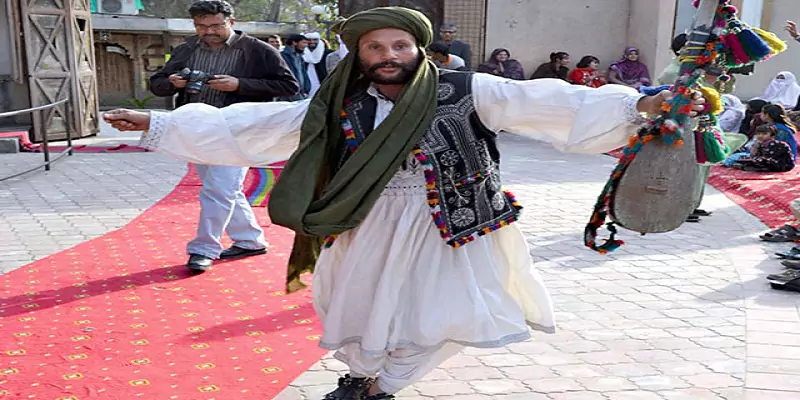
Brahvi culture in Balochistan, Pakistan, is a captivating tapestry of traditions, language, and heritage that reflects the rich history of the Brahvi-speaking communities. Balochistan, the largest province in Pakistan, is a diverse region that encompasses a variety of ethnic groups, each contributing to the cultural mosaic of the area. The Brahvi people, with their unique language and customs, add a distinctive flavor to the cultural landscape of Balochistan.
The Brahvi people are believed to have ancient roots in the region, and their culture is deeply intertwined with the history of Balochistan. The Brahvi language, an ancient Dravidian language, serves as a linguistic bridge connecting the people to their historical roots. Scholars believe that the Brahvi-speaking communities have inhabited the region for centuries, with their cultural practices evolving over time.
Balochistan, where Brahvi culture thrives, is a vast and diverse region marked by arid landscapes, rugged mountains, and sprawling plateaus. The province shares borders with Afghanistan to the north and west, Iran to the west, and the Pakistani provinces of Sindh and Punjab to the east. The geography of Balochistan has played a significant role in shaping the lifestyle and traditions of the Brahvi-speaking communities.
Brahvi culture is characterized by its diversity, incorporating elements from the various communities residing in Balochistan. The region is home not only to Brahvis but also to Baloch, Pashtuns, Sindhis, and other ethnic groups. This cultural diversity has led to a fusion of traditions, creating a unique blend that is distinctly Balochistani.
At the heart of Brahvi culture is the Brahvi language, a Dravidian language with its own script. While Brahvi is the primary language spoken by the Brahvi people, many individuals in the region are also fluent in Urdu and Balochi. The preservation of the Brahvi language is crucial to maintaining the cultural identity of the Brahvi-speaking communities, and efforts are being made to ensure its continued use and appreciation.
Brahvi culture is deeply rooted in a variety of traditional practices and rituals that are passed down through generations. These include folk dances, music, and oral storytelling. The Tiri, a traditional dance form, is often performed during celebrations and social gatherings, accompanied by the beats of traditional instruments. The vibrant colors, intricate movements, and rhythmic beats of the Tiri reflect the joy and exuberance of Brahvi culture.
The culinary traditions of Brahvi culture are a testament to the resourcefulness of the people in the arid landscapes of Balochistan. Staple foods include grains, dates, and dairy products. Dishes like Landi, a bread made from wheat or barley, and Sajji, a slow-cooked whole lamb, are popular in Brahvi households. The cuisine reflects the nomadic lifestyle of the Brahvi people, where food needs to be hearty and sustaining.
Brahvi culture is also expressed through various forms of arts and crafts. Intricate embroidery, vibrant textiles, and traditional pottery are some of the artistic expressions that adorn Brahvi households. The artistry reflects a deep connection to the land and a respect for the nomadic traditions that have been passed down through generations.
The majority of Brahvi-speaking communities in Balochistan adhere to Islam, with a mix of Sunni and Shia traditions. Religious practices play a significant role in daily life, with mosques serving as communal spaces for worship and social gatherings. The religious festivals and rituals are observed with enthusiasm, bringing communities together to celebrate and strengthen their bonds.
The nomadic lifestyle has historically been a defining feature of Brahvi culture. Nomadic communities, known as Kuchis, have roamed the vast landscapes of Balochistan with their herds of livestock, adapting to the challenges of the terrain. While modernization has led to changes in lifestyle, the nomadic spirit is still evident in the traditions and resilience of the Brahvi people.
Like many cultures around the world, Brahvi culture faces challenges in the modern era. Globalization, economic shifts, and changes in lifestyle pose threats to the preservation of traditional practices. Efforts are underway to document and promote Brahvi culture, ensuring that future generations can appreciate and carry forward the rich heritage of the Brahvi-speaking communities.
Brahvi culture in Balochistan, Pakistan, is a testament to the resilience, adaptability, and diversity of the people in the region. The unique linguistic and cultural identity of the Brahvi-speaking communities adds a vibrant layer to the rich tapestry of Balochistan's cultural heritage. As Balochistan continues to evolve, the preservation and celebration of Brahvi culture remain essential to maintaining the region's unique and multifaceted identity.